Used Lincoln Engine Driven Welders: A Proven Buyer's Review
If you’re looking for a used Lincoln engine driven welder, the model name is only the beginning.
A good engine-driven welder needs to match the work you actually perform. A mobile welder working from a service truck may have very different requirements from a pipeline contractor, construction company, farm operator, or fabrication business.
That’s why this guide takes a different approach.
Instead of simply listing Lincoln welding machines, we’re looking at what different Lincoln engine-driven welder families are designed to do, where they make sense, what to inspect on a used machine, and which specifications deserve the most attention before you commit to a purchase.
At Welder Vault, we specialize in used welding equipment, including used Miller and Lincoln machines. Our inventory changes, so individual machines can vary by model, year, operating hours, engine, condition, accessories, and configuration.
Lincoln Electric has produced engine-driven welders for a wide range of applications, from portable construction and maintenance machines to high-output diesel units intended for demanding field work.
The lineup includes families such as Ranger, Vantage, Classic, SAE, Cross Country, and other engine-driven platforms. Current and legacy machines can differ substantially, so comparing the actual specifications of each model is more useful than judging the machine solely by its brand or series name.
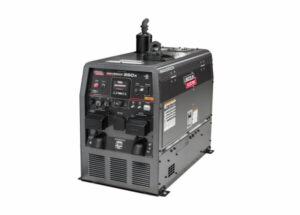
For example, Lincoln’s Ranger 260MPX is a multi-process welder/generator supporting stick, MIG, TIG, and flux-cored welding, while Lincoln’s Vantage 441X is a substantially larger diesel engine-driven machine with up to 525 amps of welding output and significant auxiliary generator capacity.
Our takeaway: There isn’t one “best” Lincoln engine-driven welder for every buyer. The better question is which Lincoln engine drive matches your welding process, output requirements, power needs, portability, and jobsite?
What Is a Lincoln Engine Driven Welder?
An engine-driven welder combines a welding power source with an engine-driven generator.
That makes it particularly useful when you’re welding somewhere that doesn’t have convenient access to building power.
Depending on the model, an engine-driven Lincoln welder can provide:
Welding power
Auxiliary AC generator power
Stick welding
MIG welding
TIG welding
Flux-cored welding
Arc gouging
Portable jobsite power
For example, Lincoln’s Vantage 441X is specified as a diesel engine-driven welding power source with CC-stick, downhill pipe, Touch Start TIG, CV-wire, and arc-gouging capabilities. It also provides 11 kW of single-phase and 17 kW of three-phase auxiliary power.
That versatility is one of the biggest reasons engine-driven welders remain useful for field work.
Lincoln Ranger vs. Vantage vs. Classic vs. SAE
One of the most useful ways to evaluate a used Lincoln engine-driven welder is to understand the major machine families.
Lincoln Ranger
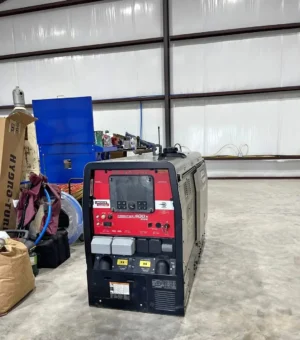
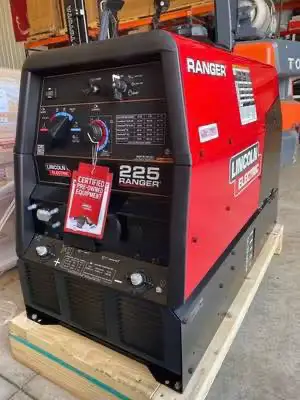
The Ranger family is associated with portable welder/generator equipment for applications such as construction, maintenance, repair, and service trucks.
The Ranger 260MPX, for example, supports:
Stick
MIG
TIG
Flux-cored welding
DC output
Generator power
Lincoln lists the Ranger 260MPX with 10.5 kW of generator output and describes it as suitable for construction, maintenance and repair, and service-truck applications.
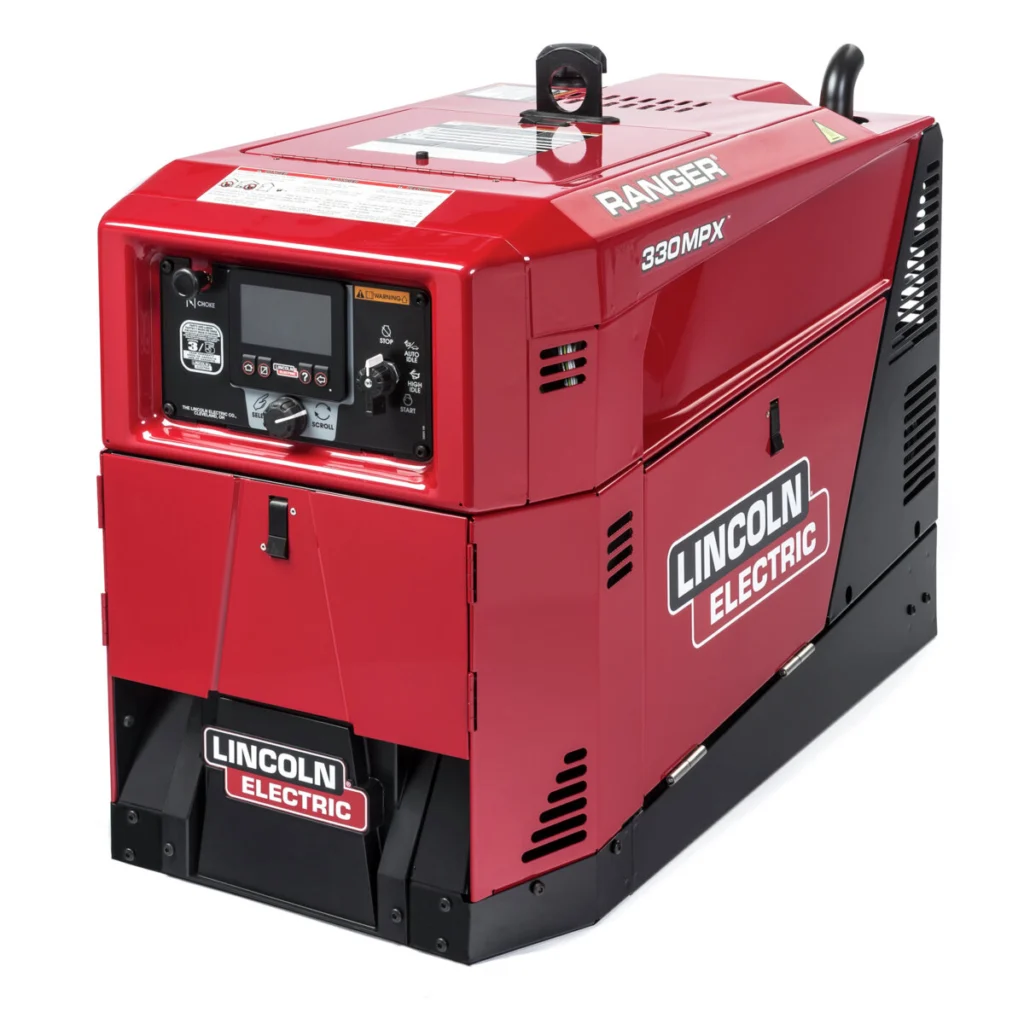
The newer Ranger 330MPX increases capacity, with Lincoln listing up to 330 amps at 28 volts and 100% duty cycle, along with 10 kW of continuous AC generator power.
Review perspective
If portability and versatility are important, the Ranger family deserves attention.
For a used Ranger, however, don’t focus only on amperage. Check the engine hours, generator output, welding output, controls, cables, engine condition, and maintenance history.
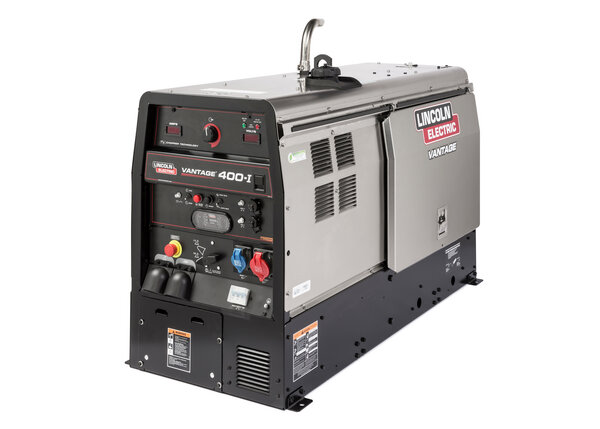
Lincoln Vantage Welders
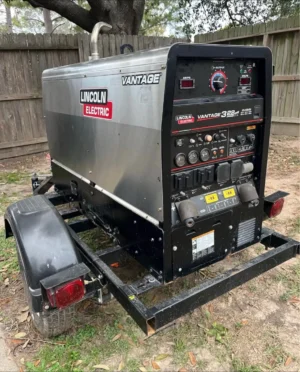
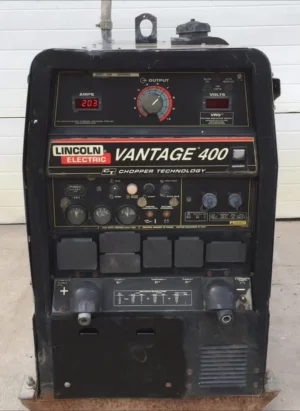
The Vantage family is aimed at higher-output field welding applications.
A good example is the Vantage 441X.
Lincoln’s published specifications show:
400 amps / 36 volts / 100% duty cycle IEC rating
Up to 525 amps maximum output
30–525 amp CC-stick range
40–350 amp downhill pipe range
20–350 amp Touch Start TIG
10–45 volt CV-wire range
60–525 amp arc-gouging range
11 kW single-phase auxiliary power
17 kW three-phase auxiliary power
Perkins diesel engine
Approximately 1,414 lb machine weight
Review perspective
The Vantage 441X is clearly a different class of machine from a compact portable Ranger.
It’s worth considering when the application demands high welding output, multiple processes, diesel power, and substantial auxiliary generator capacity.
But that capability comes with a tradeoff: a machine of this size and weight isn’t the obvious choice when portability is your highest priority.
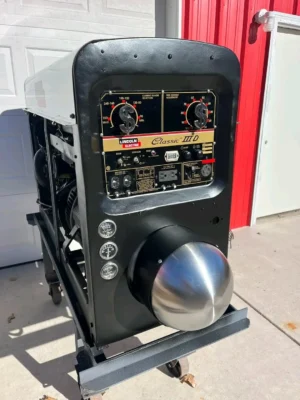
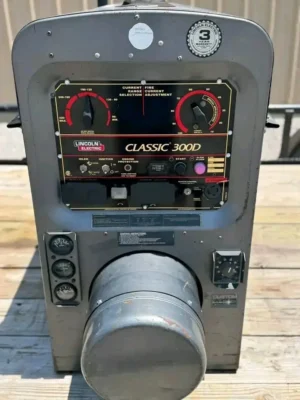
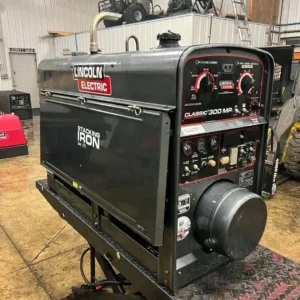
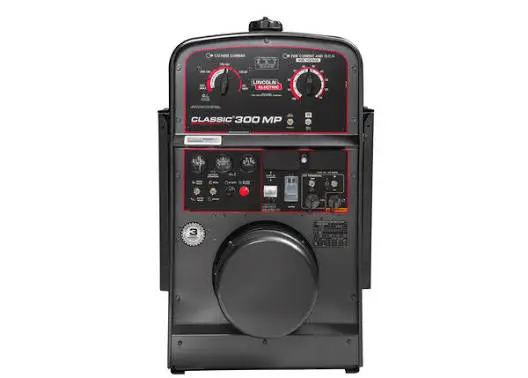
Lincoln Classic 300
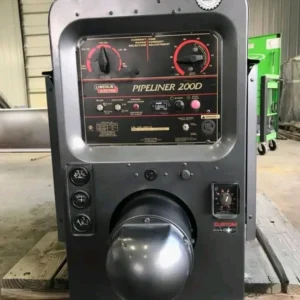
The Classic 300 is one of Lincoln Electric’s established engine-driven welding platforms and is particularly relevant when evaluating used pipeline and field welding equipment.
Lincoln documentation for the Classic 300 MP shows a 300-amp DC arc welder, with a 40–350 amp adjustment range and model-specific auxiliary power configurations.
Lincoln’s pipeline materials also describe the Classic 300 as a traditional engine-drive option featuring pure DC generated welding output and a five-step output control.
Review perspective
The Classic 300 is particularly interesting for buyers who prioritize a traditional engine-driven welding platform and field-oriented welding capability.
When buying one used, condition becomes extremely important because many machines on the secondary market have already spent years working in demanding environments.
Pay close attention to:
Engine condition
Operating hours
Welding output
Generator operation
Oil leaks
Cooling system
Welding leads
Control mechanism
Previous maintenance
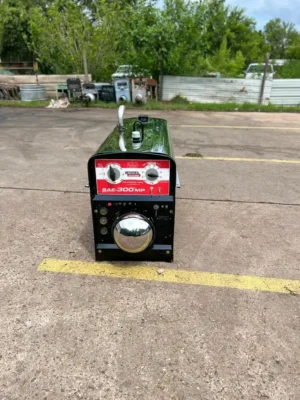
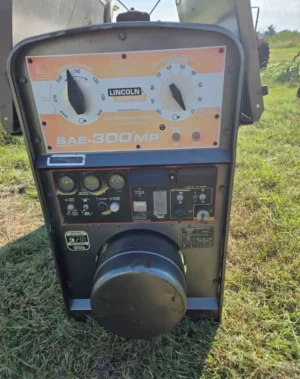
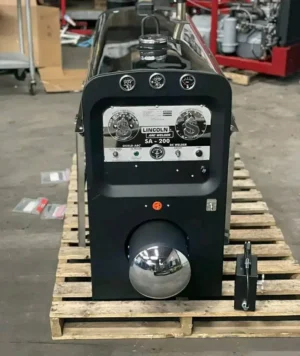
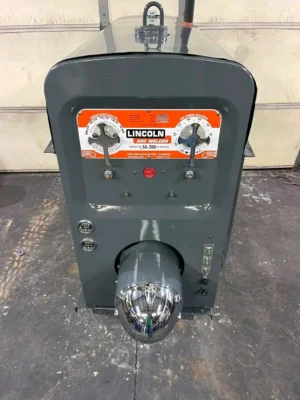
Lincoln SAE 300
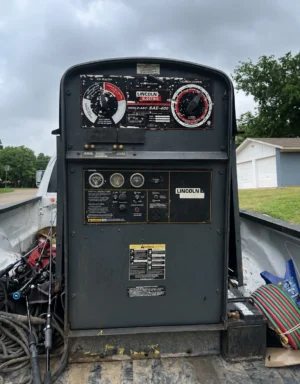
The SAE 300 family is another important name to know when researching used Lincoln engine-driven welders.
Lincoln’s pipeline materials describe SAE-300 models as rugged machines using pure DC generated welding output, with controls designed to provide precise adjustment of current and voltage.
Review perspective
A used SAE 300 can be particularly relevant to buyers looking for a traditional, heavy-duty field welding machine.
However, don’t buy an older engine drive based solely on reputation.
An older machine with poor maintenance can be a very different proposition from a properly maintained example with documented service history.
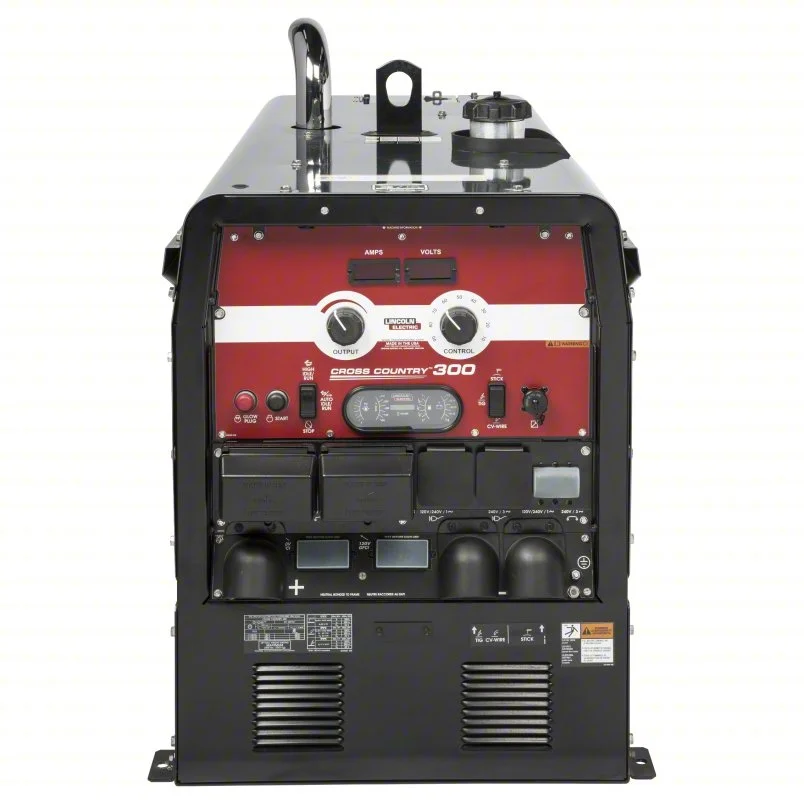
Lincoln Cross Country Welders
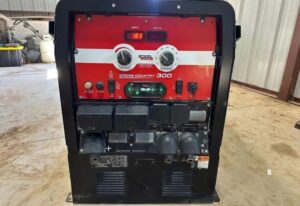
Lincoln’s Cross Country line is another engine-driven platform associated with pipeline and field welding.
Lincoln’s pipeline materials describe the Cross Country 300 as a multi-process machine developed for pipeline applications, with emphasis on portability and field use.
The important point for a used-equipment buyer is that model, configuration, year, engine, and accessories matter.
Don’t assume two machines with similar names have identical specifications.
Lincoln Engine Driven Welders: What We Like
When reviewing used Lincoln engine-driven welding equipment, there are several characteristics that stand out.
1. Multi-Process Capability
Some Lincoln engine drives can handle multiple welding processes.
For example, the Ranger 260MPX supports stick, MIG, TIG, and flux-cored welding.
That can be valuable for contractors who encounter different welding requirements from job to job.
2. Independent Jobsite Power
An engine-driven welder can eliminate dependence on building electrical power for many field applications.
3. Auxiliary Generator Capability
The generator can provide power for tools and other equipment, depending on the machine’s capacity.
4. Field Versatility
Engine-driven machines can be used across construction, maintenance, mobile welding, repair, farm, and pipeline environments.
5. Large Selection on the Used Market
Lincoln has produced engine-driven machines across many generations, which means buyers can encounter a wide range of used models and configurations.
Which Lincoln Engine Driven Welder Is Right for You?
For construction and service trucks
Look closely at the Ranger family and similar portable engine-drive configurations.
For high-output field welding
Larger machines such as the Vantage family may be more appropriate where the application requires substantially higher output.
For pipeline applications
Consider Lincoln’s Classic, SAE, and Cross Country engine-driven families and compare their actual specifications with your welding requirements.
For multiple welding processes
Look for models that specifically support the processes you need. The Ranger 260MPX, for example, supports stick, MIG, TIG, and flux-cored welding.
For auxiliary generator power
Compare the machine’s actual generator rating with the power requirements of the tools you intend to run.
A Lincoln engine-driven welder is a welding power source powered by an internal combustion engine rather than relying solely on building electrical power. Many models also provide auxiliary generator power.
They are commonly used for construction, field repair, maintenance, mobile welding, pipeline work, farm and ranch applications, and other situations where portable welding power is required.
Ranger is a Lincoln Electric engine-driven welder/generator family. Depending on the model, Ranger machines can support welding processes such as stick, MIG, TIG, and flux-cored welding. The Ranger 260MPX, for example, supports all four.
Vantage is a higher-output Lincoln engine-driven welding family. The Vantage 441X, for example, provides up to 525 amps maximum welding output and substantial auxiliary generator capacity.
Yes, the Classic 300 remains a model buyers may encounter in the used-equipment market. Lincoln documentation describes the Classic 300 MP as a 300-amp DC engine-driven arc welder, while its pipeline materials identify it as a traditional pipeline-oriented machine
Check the engine, operating hours, welding output, generator output, cables, controls, physical condition, maintenance history, and exact model configuration. If possible, test both the welding and generator functions.
They can be suitable for construction when the machine’s welding output, generator capacity, portability, duty cycle, and condition match the requirements of the job.