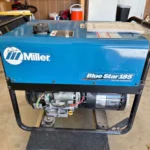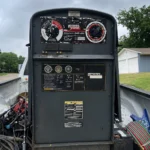

How to Inspect a Used Miller Welder Before You Buy
Every used Miller welder looks good in photos. That’s not an accusation — it’s just true. A coat of dust wiped off, decent lighting, and a seller who genuinely believes their machine runs “great” can make almost anything look like a solid buy from a listing. The only way to actually know what you’re getting is to put hands on it, and that means knowing exactly what to check before you hand over cash.
This is the inspection process we use ourselves before any used Miller goes up for sale, broken down so you can run through it whether you’re standing in someone’s garage, a farm auction lot, or checking out a machine at a dealer.
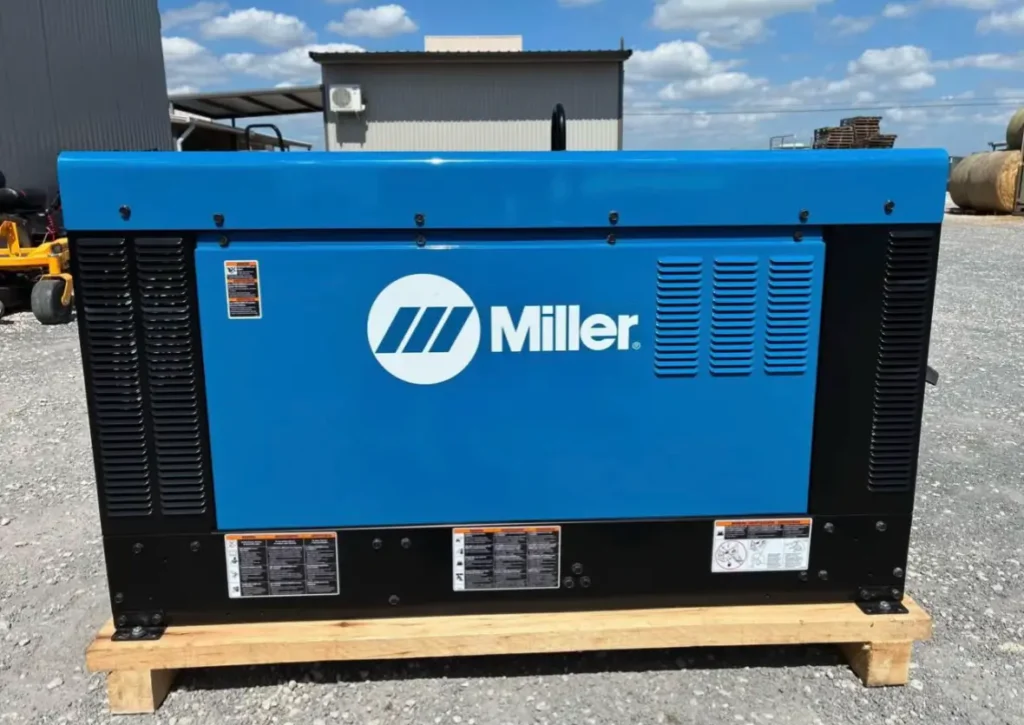
1. Start With the Serial Number and Hour Meter
Before you even look the machine over physically, get its identity straight.
- Find the serial number, usually on a data plate on the back or side of the machine. You can cross-reference it on millerwelds.com to confirm the manufacture date and original spec sheet for that exact model.
- Check the hour meter if the machine has one (most Bobcat and Trailblazer models do). Compare hours to the machine’s age — a 12-year-old machine with 400 hours has lived an easy life; the same age with 6,000 hours has worked for a living and deserves a closer look everywhere else on this list.
- Ask directly what it was used for. Hobby use, farm work, rental fleet, and production shop are four very different life stories, and sellers will usually tell you straight if you ask.
If the data plate is missing, painted over, or doesn’t match what’s listed, that’s already a small red flag worth noting before you go any further.
2. Walk the Exterior Before You Touch a Single Dial
This part takes five minutes and tells you a lot.
- Rust on the base, wheels, or control panel usually means the machine lived outside — which raises the odds of internal moisture damage you can’t see from the outside.
- Oil or coolant leaks underneath engine-driven models (Bobcat, Trailblazer) — even a small stain is worth asking about.
- Cords, leads, and connectors — look for cracking, exposed wire, or amateur repairs. Electrical tape holding a connection together is not a fix, it’s a warning.
- Missing knobs, covers, or panels — machines don’t lose parts for no reason. Something usually failed and never got properly put back together.
3. Test It Under Load — Every Time, No Exceptions
This is the step people skip because it feels awkward to ask, and it’s the one that matters most.
- Start the machine and run an actual bead. Not just “it powers on” — an actual weld, on scrap if the seller has some, or bring your own.
- Test at low, medium, and high amperage settings. Weak spots in a machine’s electronics or windings often only show up near the top of its output range, not at idle.
- Listen closely. Unusual noise from the fan, engine, or generator windings on engine-driven models is often the first sign of a problem that hasn’t fully surfaced yet.
- Check duty cycle. Run the machine near its rated output for several minutes and watch for thermal shutdown sooner than the spec sheet allows. Miller publishes duty cycle specs for every model on their site, so you can check the exact number for what you’re looking at.
If a seller hesitates or refuses to let you test the machine running, that alone tells you something. A machine in good condition is not something an honest seller is afraid to demonstrate.
4. Engine-Driven Models: Bobcat and Trailblazer
If you’re looking at a Bobcat or Trailblazer, the engine deserves just as much attention as the welding side.
- Confirm the engine starts easily, cold if possible — struggling to start is a common early sign of carburetor or fuel system issues.
- Check that auto-idle engages and disengages properly when you start and stop welding.
- Watch the exhaust — smoke, surging, or stalling under load usually points to something that needs work.
- Ask about oil change history. Regular maintenance on the engine side matters just as much as how the welding output has held up.
5. Electronics-Heavy Models: Dynasty and Multimatic
Inverter-based machines like the Dynasty TIG line or the Multimatic multi-process units put more of what can go wrong behind a control board rather than something you can see or hear.
- Cycle through every process the machine offers (TIG, MIG, stick, whichever applies) — don’t just test the one you plan to use most.
- Check that all display functions, presets, and adjustment dials respond correctly.
- Test pulse functions, AC balance, and any advanced TIG settings if the model has them — these are exactly the features that can fail quietly while the machine still “runs.”
- A machine that runs fine on basic stick but glitches on advanced TIG settings has a real problem, even if the seller describes it as “runs great.”
6. What Should Be Included
Before you settle on a price, confirm what’s actually coming with the machine:
- Leads and ground clamp
- Cart or running gear, if applicable
- Gas regulator (for MIG/TIG models)
- Any spare tips, rollers, or consumables
- Original manual or documentation, if available
A bare power unit is worth meaningfully less than the same machine with a full set of usable accessories — factor that into any price comparison.
Frequently Asked Questions
How many hours is too many on a used Miller welder? There’s no universal cutoff — a well-maintained engine-driven Miller can run well past 5,000 hours, while a neglected one can develop problems much earlier. Hours matter far more in context of maintenance history than as a number on their own.
Can I check a Miller welder’s manufacture date from the serial number? Yes. Miller’s own site lets you look up manufacture date and original specs by serial number, which is worth doing before you buy to confirm the listing’s claimed age is accurate.
What’s the most common problem with a used Miller Bobcat? Engine-related issues — rough idling, trouble starting cold, or auto-idle not engaging correctly — tend to show up more often than problems with the welding output itself, since the engine sees continuous wear even when the welder side is used lightly.
Is it safe to buy a used welder without testing it running? It’s a real risk. Whenever possible, insist on running the machine under load before you pay, or buy from a dealer that inspects and tests machines before listing them.
Related Guides
- How to Buy a Used Welding Machine: The Complete Buyer’s Guide
- Miller Welders for Sale: A Buyer’s Guide to Finding the Right Used Model
- Miller vs. Lincoln: Brand Comparison for Farm, Shop, and Field Welding
Every used Miller welder at WelderVault goes through this exact inspection process before it’s ever listed for sale — browse our current inventory to see what’s available.