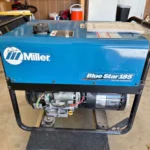

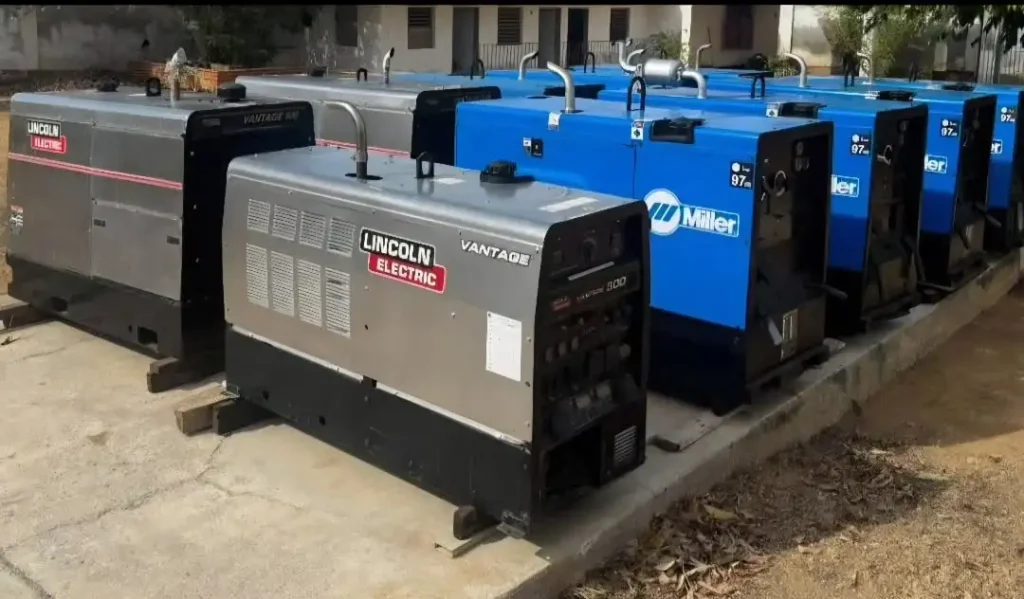
Miller and Lincoln are the two names that dominate every welding conversation in the U.S. — and for good reason. Both build machines that last decades, both have massive parts networks, and both show up constantly in the used market. But “which is better” isn’t really the right question. The better question is which one fits your work: farm repairs, shop fabrication, or field and jobsite welding.
This guide breaks down Miller vs. Lincoln specifically for those three use cases, so you can buy with confidence instead of just picking whichever brand your neighbor swears by.
Quick Answer
For most buyers: Miller tends to have a slight edge in electronics, inverter technology, and TIG performance, which matters more in shop and precision work. Lincoln tends to have a slight edge in ruggedness and serviceability for engine-driven machines used hard in farm and field conditions, plus a reputation for being simpler to field-repair. Both brands hold resale value well, and both have excellent used-market availability — the right choice comes down to your application, not brand loyalty alone.
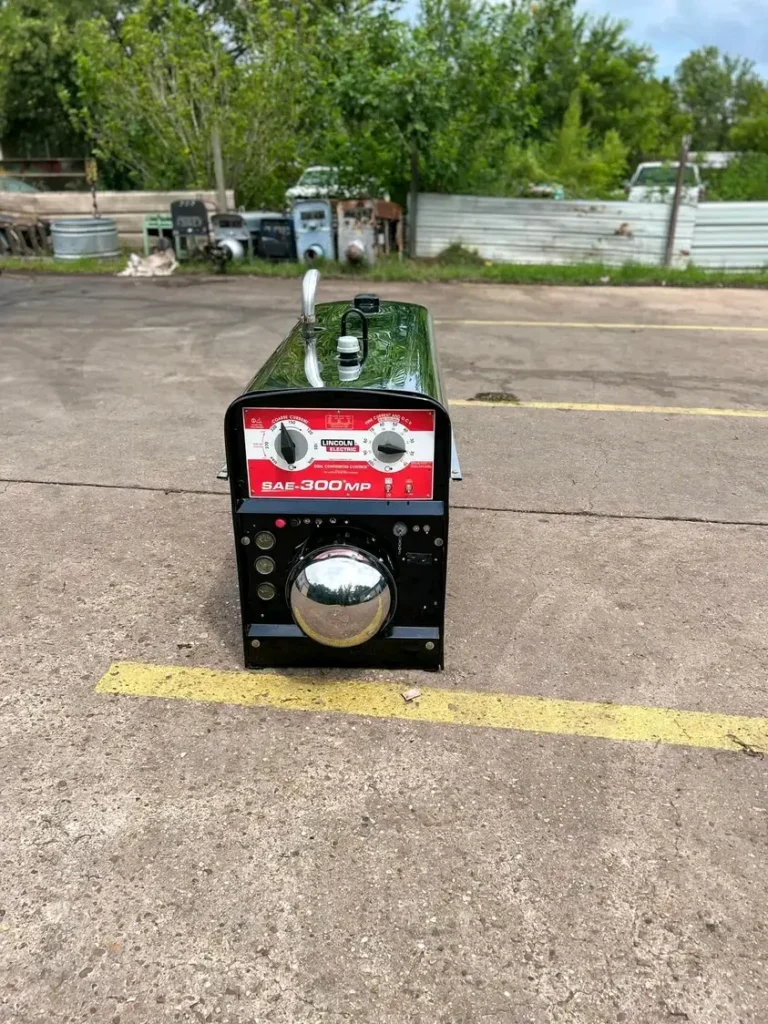
Lincoln Welding Machines
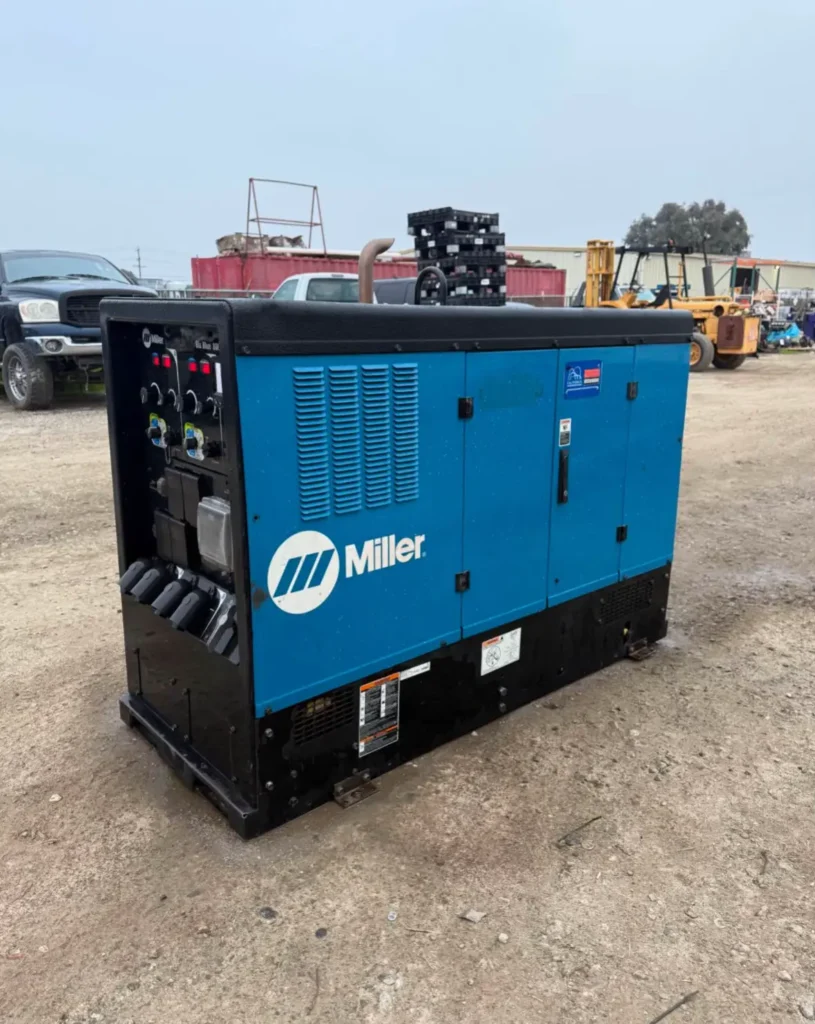
Miller Welding Machines
1. Company Background: Why Both Brands Are Trusted
Miller Electric was founded in 1929 in Appleton, Wisconsin, and has grown into one of the largest arc welding equipment manufacturers in the world. Lincoln Electric is even older, founded in 1895, and is one of the most recognized names in welding globally. Both companies manufacture in the U.S., both have decades of proven reliability data, and both are considered “safe buys” by most welding professionals — meaning your decision usually comes down to fit, not risk.
2. Miller vs. Lincoln for Farm Welding
Farm welding means dirty conditions, infrequent but demanding use, long storage periods, and the need for a machine that starts reliably even after sitting for weeks.
| Factor | Miller | Lincoln |
|---|---|---|
| Engine-driven reliability | Strong (Bobcat, Trailblazer) | Strong, especially older models (Ranger, SA-200) |
| Ease of field repair | Good, dealer network required for some parts | Excellent — simpler systems on older models, widely known by mechanics |
| Cold-weather starting | Good | Good, SA-200 especially known for durability |
| Versatility (stick + AC/DC generator power) | Strong on Trailblazer line | Strong on Ranger line |
| Used market availability | High | High, especially SA-200 and older Ranger models |
Bottom line for farm use: Lincoln’s older engine-driven machines (especially the legendary SA-200) have a reputation for being nearly bulletproof and easy for a farm mechanic to service without dealer involvement. Miller’s Bobcat and Trailblazer lines are equally capable and slightly more modern in their electronics, which some farm buyers prefer for AC power quality when running tools off the
3. Miller vs. Lincoln for Shop and Fabrication Work
Shop welding means more precision, more duty cycle demand, and often a mix of MIG, TIG, and stick in one space. Industry coverage from trade publications like The Fabricator regularly highlights how shop buyers weigh duty cycle and electronics reliability just as heavily as raw output when choosing between these two brands.
| Factor | Miller | Lincoln |
|---|---|---|
| TIG performance | Generally considered the stronger line (Dynasty series) | Competitive, but Miller often preferred by TIG specialists |
| MIG performance | Excellent, strong duty cycle on shop models | Excellent, comparable duty cycle |
| Inverter technology / electronics | Slight edge, widely regarded as more refined | Strong, but more electronics can mean more to go wrong used |
| Multi-process flexibility | Strong | Strong |
| Parts and consumables cost | Moderate | Moderate, often slightly better parts pricing |
Bottom line for shop use: If your shop leans heavily on precision TIG work (aluminum, stainless, thin material), Miller has the stronger reputation. For general fabrication mixing MIG and stick, both brands perform at essentially the same level — the deciding factor often becomes which brand your local dealer supports better for parts and service.
4. Miller vs. Lincoln for Field and Jobsite Welding
Field welding — pipeline, construction, structural work — demands portability, engine reliability, and machines that can take abuse. Jobsite use also raises the stakes on basic electrical safety around generators and cords, which OSHA treats as a leading cause of preventable injury on construction and field sites regardless of which brand of machine you’re running.
| Factor | Miller | Lincoln |
|---|---|---|
| Portability (engine-driven units) | Trailblazer line, well regarded | Ranger line, well regarded |
| Durability under rough handling | Strong | Strong, often cited as slightly more rugged for older models |
| Fuel efficiency | Competitive | Competitive |
| Industry adoption (pipeline/structural) | Common | Very common — Lincoln has a long legacy in structural and pipeline work |
| Generator power quality | Strong | Strong |
Bottom line for field use: This is close to a toss-up. Lincoln has a longer historical presence on pipeline and structural jobs, which is why you’ll see more veteran field welders default to Lincoln out of habit and familiarity. Miller’s Trailblazer line has closed that gap significantly and is now just as common on modern jobsites.
5. Reliability and Longevity
Both brands are built to run 15-20+ years with proper maintenance. Neither brand has a meaningfully higher failure rate in independent long-term ownership discussions — the differences buyers report usually come down to specific model generations rather than brand-wide reliability. What matters more than brand when buying used is:
- Run hours relative to age
- Maintenance history
- Whether the machine was used in a shop, farm, or rental fleet (rental machines see the hardest use)
If you haven’t already, our used welder inspection checklist walks through exactly what to check regardless of brand.
6. Parts Availability and Service
This is one of the more practical, and often overlooked, differences:
- Miller has a large authorized dealer network and strong OEM parts support, though some parts can run pricier.
- Lincoln has an equally large network, and older models (especially SA-200 and early Ranger units) benefit from a huge base of aftermarket and rebuilt parts, since so many are still in service.
Before buying either brand used, check parts availability for that specific model in your region — this matters more than the brand name overall.
7. Resale Value
Both brands hold value exceptionally well compared to other welding equipment manufacturers, which is part of why the used market for Miller and Lincoln machines stays so active. Certain models — like a clean Lincoln SA-200 or a low-hour Miller Bobcat — can command prices close to new due to demand outpacing available supply. If resale value matters to you, buying a well-maintained example of a popular model in either brand is a safer bet than chasing a discount on a less common model.
8. Which Should You Buy?
| Your Priority | Better Fit |
|---|---|
| Precision TIG work in a shop | Miller |
| Simple, field-repairable farm workhorse | Lincoln |
| Modern electronics and inverter tech | Miller |
| Legacy reliability and huge secondhand parts pool | Lincoln |
| Structural/pipeline field work | Either — slight edge to Lincoln historically |
| Best resale value on a popular model | Either, if buying a well-known model in good condition |
Frequently Asked Questions
Is Miller or Lincoln better for beginners? Both are beginner-friendly. Miller’s user interfaces on newer machines are often considered slightly more intuitive, while Lincoln’s simplicity on older stick and engine-driven models makes them easy to learn on without complex electronics to troubleshoot.
Which brand has better parts availability? Both have strong dealer networks. Lincoln’s older, high-volume models (like the SA-200) benefit from a huge base of rebuilt and aftermarket parts due to how many are still in service, while Miller’s dealer network is equally strong for more current models.
Do Miller and Lincoln welders hold their value the same? Generally yes — both brands are known for strong resale value compared to other manufacturers. Specific popular models in good condition, regardless of brand, tend to hold value best.
Can I mix Miller and Lincoln equipment (like leads or accessories)? Many leads, clamps, and generic accessories are compatible across brands, but some connectors and proprietary parts (like certain MIG guns or control components) are brand-specific. Always check compatibility before assuming a part will fit.
Related Guides
- How to Buy a Used Welding Machine: The Complete Buyer’s Guide
- [Used Miller Bobcat 250 Price Guide and Common Issues] — link once published
- [Used Lincoln Ranger 305 Buying Guide] — link once published
- [Lincoln SA-200: Why It’s Still One of the Most Sought-After Welders] — link once published
Whether you decide on Miller or Lincoln, WelderVault inspects and tests every used machine before it’s listed. Browse our current inventory to see what’s available in both brands.