Welding Cables & Welding Leads for Sale
Shop welding cables and welding leads for Stick, MIG, TIG and engine-driven welders. Find reliable welding equipment and accessories at Welder Vault.
Reliable welding cables are essential for transferring welding current safely and efficiently between your welding machine and the work area. At Welder Vault, we offer welding equipment and accessories for contractors, welders, fabrication shops, maintenance professionals, and industrial users.
Whether you need replacement welding leads, electrode cables, ground cables, or cables for your welding machine, choosing the appropriate cable size, length, connectors, and application is important for safe and dependable welding performance.
-
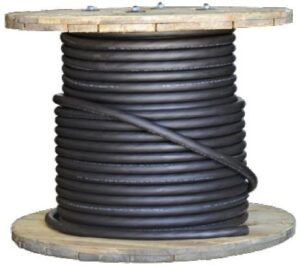
Kalas ToughFlex #1 Welding Cable 250 ft Reel
-
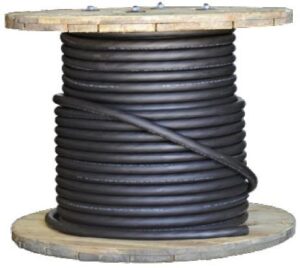
Kalas ToughFlex #2 Welding Cable 250 ft Reel | Welder Vault
-
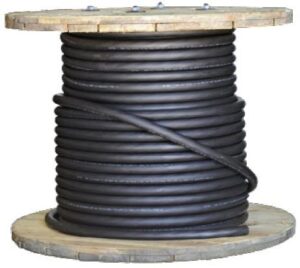
Kalas ToughFlex #4 Welding Cable 250 ft Reel
-
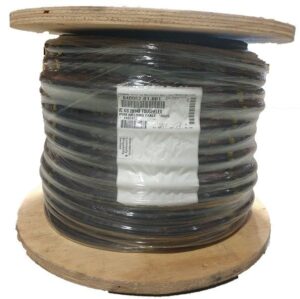
Kalas ToughFlex 4/0 Welding Cable 500 ft Reel
-
Southwire Royal Excelene #1 Welding Cable 50 ft
-
Southwire Royal Excelene #2 Welding Cable 50 ft | Welder Vault
-
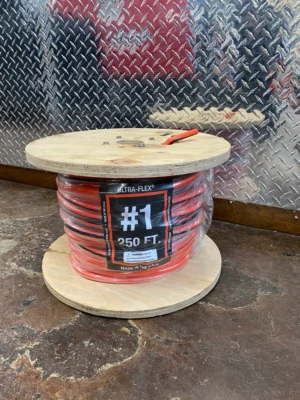
Ultra-Flex #1 Welding Cable 250 ft Reel
-
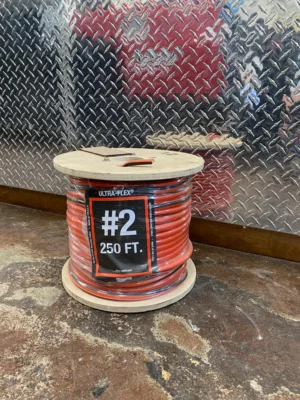
Ultra-Flex #2 Welding Cable 250 ft Reel
-
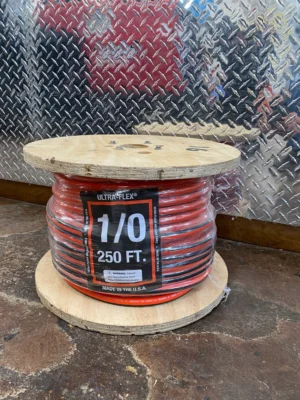
Ultra-Flex 1/0 Welding Cable 250 ft Spool
-
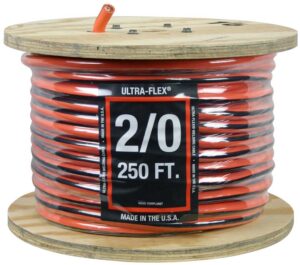
Ultra-Flex 2/0 Welding Cable 250 ft Reel
Shop Welding Cables for Professional Applications
A quality welding cable needs to handle the current required by your welding machine while remaining flexible enough for practical jobsite use.
Welding cables are commonly used with:
- Stick welders
- Engine-driven welders
- MIG welding machines
- TIG welding machines
- Multi-process welders
- Welding generators
- Industrial welding equipment
- Pipeline welding equipment
- Mobile welding systems
The correct cable depends on factors such as welding amperage, cable length, duty cycle, welding process, and the environment where the equipment will be used.
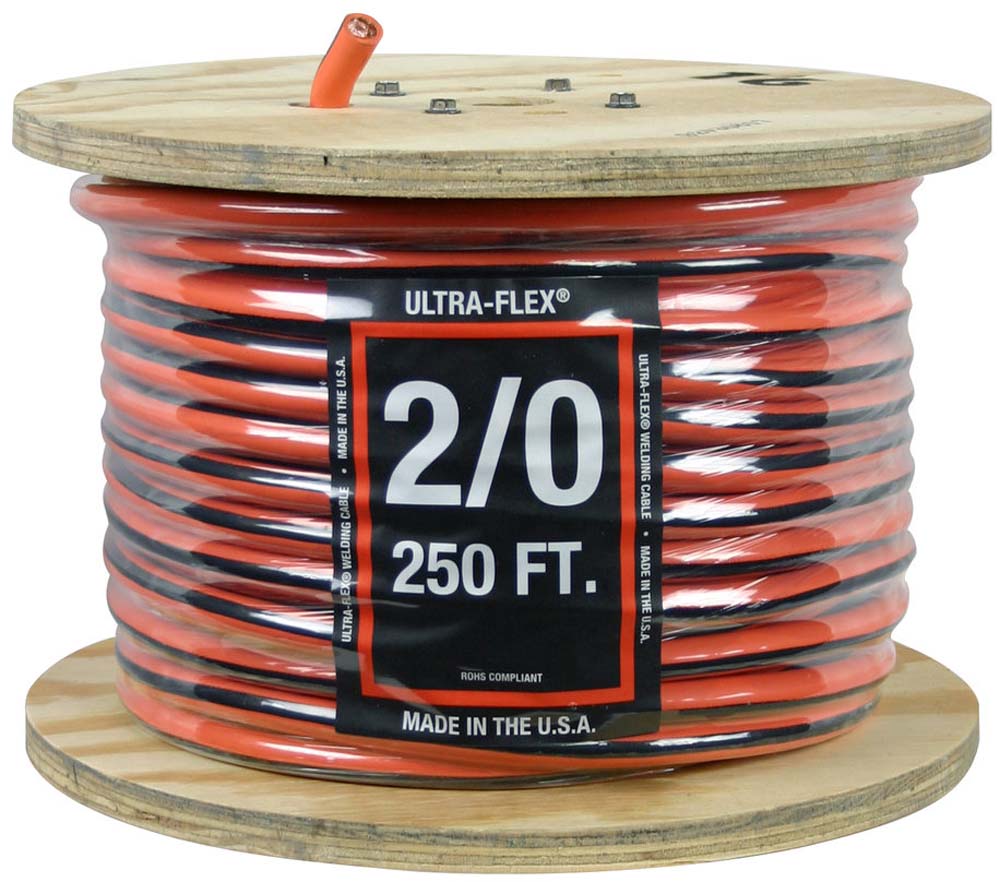
Welding Leads vs. Welding Cables
The terms welding cable and welding lead are often used interchangeably, but they can describe slightly different things depending on the application.
A welding cable is the conductive cable itself, while a welding lead may refer to a complete cable assembly equipped with connectors, electrode holders, work clamps, or other accessories.
For example, a typical Stick welding setup may include:
Welder → welding cable → electrode holder → electrode
and:
Welder → welding cable → work clamp → workpiece
Selecting the appropriate cable and connectors helps ensure that your welding equipment operates properly.
Choose the Right Welding Cable Size
Cable sizing is important when purchasing welding cables for sale.
The appropriate cable size depends on several factors:
- Welding amperage
- Cable length
- Duty cycle
- Welding process
- Number of cables
- Ambient temperature
- Application
Longer cable runs can increase electrical resistance and voltage drop. Higher-current applications may therefore require appropriately sized cables.
Always follow the welding machine manufacturer’s recommendations and applicable electrical and welding safety requirements when selecting and installing welding cables.
Welding Cables for Engine-Driven Welders
Engine-driven welders are commonly used on construction sites, pipeline projects, farms, industrial facilities, and remote jobsites.
Your welding cables need to be suitable for the output of the engine-driven welding machine and the conditions in which they will be used.
Welder Vault specializes in used Miller and Lincoln engine-driven welders, including machines designed for demanding field applications. Our current inventory includes equipment such as Miller Big Blue machines and Lincoln engine-driven welders.
If you’re purchasing a used engine-driven welder, don’t forget to consider the condition and compatibility of the welding leads and connectors.
Welding Cables for Stick Welding
Stick welding, or SMAW, commonly requires an electrode lead and work lead connected to the welding power source.
When selecting Stick welding cables, consider:
- Required amperage
- Cable length
- Electrode size
- Duty cycle
- Connector type
- Jobsite conditions
Heavy-duty applications may require cables capable of handling higher welding currents and extended duty cycles.
Welding Cables for MIG and TIG
MIG and TIG welding systems can use different cable and connection configurations depending on the welding machine and setup.
For MIG welding, cable requirements may involve the welding power source, wire feeder, work lead, and other equipment.
TIG welding setups can include the welding torch, work lead, and associated gas and control connections.
Because configurations vary between machines, always verify cable and connector compatibility with your specific welder before purchasing.
How to Choose Welding Cables
Before ordering welding leads or welding cable assemblies, consider these five factors
1. Amperage
Determine the maximum welding current your equipment will produce.
2. Cable Length
Longer welding leads can increase resistance and voltage drop, so cable length should be considered alongside amperage.
3. Welding Process
Stick, MIG, TIG, flux-cored, and other processes can have different cable and connection requirements.
4. Connectors
Make sure the cable connectors are compatible with your welding machine, electrode holder, work clamp, or other equipment.
5. Working Environment
Construction and field welding can expose cables to abrasion, heat, moisture, dirt, and heavy equipment. Choose cables appropriate for the environment in which they will be used.
Welding Cable Safety
Inspect your welding cables regularly for cuts, exposed conductors, damaged insulation, loose connections, excessive wear, and other signs of damage.
Damaged welding cables should be repaired or replaced before continued use.
The Occupational Safety and Health Administration (OSHA) provides guidance covering electrical hazards and safe welding practices.
OSHA Welding, Cutting and Brazing Safety
For professional welding operations, you should also follow applicable welding codes, manufacturer instructions, and workplace safety requirements.
Welding Cables for Sale at Welder Vault
Welder Vault is a supplier of used Miller and Lincoln welders, welding machines, engine-driven welders, and welding equipment.
We serve contractors, mobile welders, fabrication businesses, maintenance professionals, and customers looking for reliable welding equipment at competitive prices.
If you’re replacing worn welding leads or outfitting a welding machine for a new job, contact Welder Vault to discuss your cable and equipment requirements.
Shop our welding equipment:
Welder Vault Welding Equipment
Explore used Miller welders:
Used Miller Welders
Explore Lincoln engine-driven welders:
Lincoln Engine Driven Welders
Frequently Asked Questions
What are welding cables used for?
Welding cables transfer electrical current between a welding power source and components such as an electrode holder, welding torch, or work clamp.
Are welding leads and welding cables the same thing?
The terms are often used interchangeably. A welding lead may also refer to a complete cable assembly that includes connectors or other components.
How long do welding cables last?
Service life depends on usage, storage, jobsite conditions, abrasion, heat exposure, and maintenance. Regularly inspect cables for damage and replace them when they become unsafe.
What size welding cable do I need?
The appropriate cable size depends on welding amperage, cable length, duty cycle, welding process, and the specific application. Always check the welding machine manufacturer's recommendations.
Can I use welding cables with an engine-driven welder?
Yes, provided the cables and connectors are correctly rated and compatible with the particular engine-driven welding machine.
Can welding cables be used for MIG and Stick welding?
Cable requirements vary by machine and welding process. Verify the cable size, connectors, and configuration required by your specific welding equipment.